In the dynamic world of interior design, farmhouse style has maintained unwavering popularity across Europe and North America for decades. More than a decor trend, it’s a lifestyle celebrating simplicity, authenticity, and home warmth. At its core lies a defining element that marries functionality with nostalgic charm: the solid wood + silent wall clock. As 2025 unfolds, Statista reports a 47% year-over-year surge in demand for these timepieces, with homeowners and designers alike hailing them as “non-negotiable” for capturing farmhouse living’s true essence.
Far beyond mere timekeepers, these clocks serve as focal points tying together the style’s signature elements—reclaimed wood, neutral tones, and rustic textures—while meeting modern needs for quiet, clutter-free spaces. This article explores why solid wood + silent wall clocks have become indispensable in European and American farmhouse interiors, delving into their design philosophy, material craftsmanship, functional advantages, and real-world impact on home ambiance.
The Timeless Appeal of Farmhouse Style: Why It Endures?
To grasp the rise of solid wood + silent wall clocks, we first unpack farmhouse style’s enduring allure. Originating from the practical, no-frills interiors of rural European and American farmhouses, the style has evolved to blend traditional charm with contemporary comfort. Unlike fleeting fads, it resonates with a universal desire for warmth, authenticity, and nature connection—values that have strengthened in an increasingly digital world.
In Europe (France, Germany, the UK), farmhouse style (often “country chic” or “rustic elegance”) emphasizes aged materials, muted palettes (cream, beige, soft gray), and handcrafted details: exposed beams, stone fireplaces, and vintage decor with stories. In North America, American farmhouse leans into relaxed, lived-in aesthetics—reclaimed barn wood, shiplap walls, and minimalist functional furniture.
A 2025 Houzz survey found 68% of European and 73% of American homeowners who renovated chose farmhouse elements, citing “calm” and “timelessness” as top motivations. “Farmhouse style isn’t about perfection—it’s about comfort,” says London-based interior designer Clara Bennett. “People want welcoming, not sterile homes, and every decor piece should contribute. Solid wood wall clocks add warmth, texture, and nostalgia without feeling outdated.”
This craving for authenticity has spurned mass-produced plastic decor in favor of natural materials like wood, stone, and metal. Solid wood, with its grain, knots, and natural variations, embodies farmhouse values of durability and earth connection. Paired with silent functionality, these clocks perfectly align with the style’s “form follows function” ethos.
The Dual Core: Solid Wood Craftsmanship—Beauty That Lasts
At the heart of every exceptional farmhouse wall clock is solid wood. Unlike particleboard or veneer (prone to peeling/warping), solid wood offers unmatched durability, character, and sustainability—three pillars of farmhouse style.
Why Solid Wood Reigns Supreme
Solid wood’s appeal lies in its graceful aging. Over years, it develops a rich patina, deepening in color and texture to reflect the home’s life. This “lived-in” look is central to farmhouse style, which rejects the “brand-new” aesthetic for heirloom-worthy pieces.
Farmhouse clocks favor hardwoods like oak, pine, walnut, and reclaimed barn wood. Oak (strong grain, durability) suits traditional European spaces; pine (light, knotty) is a staple in American farmhouse for rustic charm. Reclaimed wood—sourced from old barns or warehouses—adds irreplaceable authenticity, bearing nail holes and weathered edges that tell stories.
“Solid wood is non-negotiable for farmhouse clocks,” says Thomas Miller, owner of Pennsylvania-based Miller & Co. “Clients want pieces that last decades, not years. Particleboard lacks soul—running your hand over solid oak feels like quality plastic can’t match.”
Sustainability drives preference too. Eco-conscious consumers seek FSC-certified wood (sustainably harvested), while reclaimed wood repurposes waste—aligning with farmhouse resourcefulness.
Craftsmanship Details That Define Farmhouse Clocks
Farmhouse solid wood clocks stand out for handcrafted details:
Distressing: Sanding, scraping, or staining to create weathered, vintage looks, with intentional “imperfections” like dents or uneven edges.
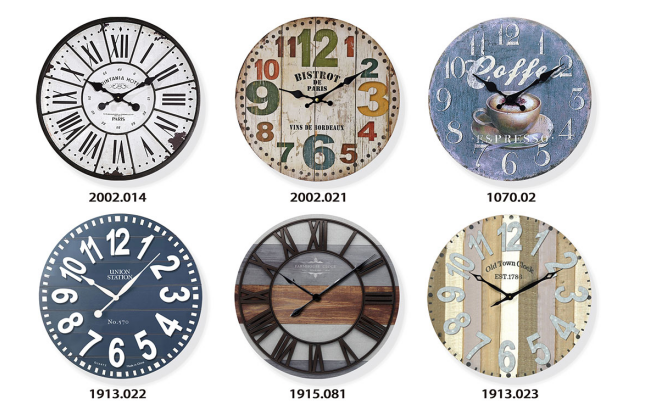
Wood Accents: European designs often feature hand-carved floral/scroll motifs; American versions lean into clean lines and bold numerals.
Clock Faces: Large, readable numerals (black/cream) contrasting with wood, in serif (European) or block (American) fonts, with minimal decoration to honor “less is more.”
Silent Functionality: Modern Comfort Meets Rustic Charm
While solid wood delivers aesthetics, silent movement is the functional cornerstone making these clocks indispensable. In an era valuing peace, traditional mechanical clocks’ “tick-tock” annoys many—especially in open-concept spaces, bedrooms, or home offices.
The Rise of Silent Movement Technology
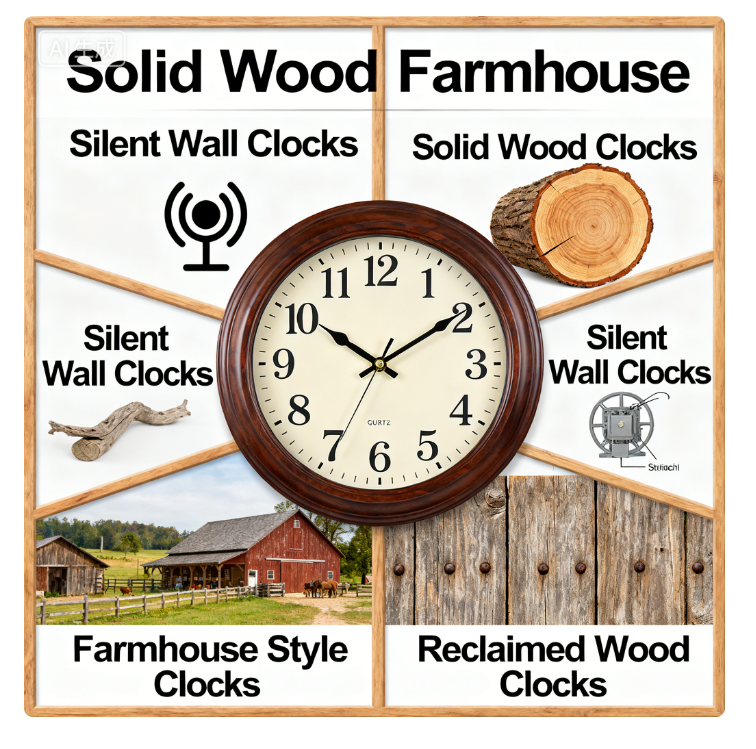
Silent clocks use quartz movement, replacing pendulums with battery-powered oscillators (vibrating 32,768 times/second) for smooth, noiseless operation. They’re also more accurate: ±15 seconds/month vs. ±5 minutes for mechanical clocks.
A 2025 Home Decor Association report found 82% of homeowners prioritize “quiet functionality.” “Open-concept floor plans are huge in farmhouse homes,” Bennett explains. “A ticking clock distracts across rooms—silent models solve this without sacrificing style.”
For light sleepers, remote workers, or families, silent movement is transformative. “My old mechanical clock disrupted Zoom calls,” says Vermont-based freelance writer Sarah Johnson. “A solid wood silent clock on my shiplap wall is unnoticeable until I need it—pure functionality with charm.”
Silent Clocks in Farmhouse Spaces
Silent solid wood clocks thrive in every room:
Living Rooms: Large (24-inch) statement clocks above fireplaces/sofas tie together wooden coffee tables and linen sofas, without disrupting conversations.
Bedrooms: Small/medium pine clocks with glow-in-the-dark hands add charm to nightstands, aiding rest.
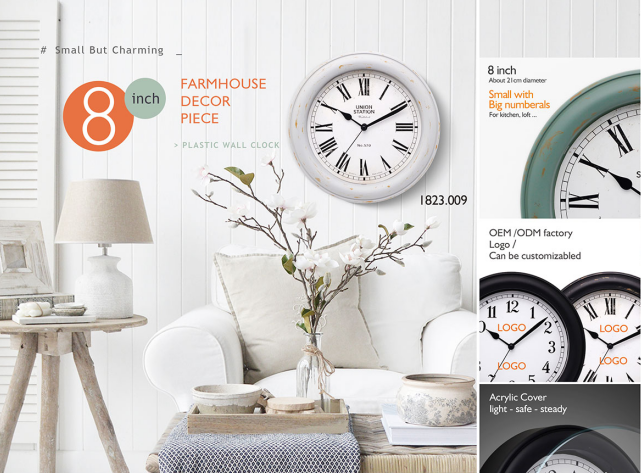
Kitchens: Compact clocks above stoves/sinks complement open shelving and wooden cabinetry, silent amid appliance hum.
Entryways: Clocks on shiplap walls or console tables welcome guests with rustic practicality.
Top Styles of Solid Wood + Silent Farmhouse Clocks
Farmhouse style’s versatility shines in clock designs, with 2025’s top trends:
1. Traditional European Farmhouse Clocks
Inspired by French, German, and Italian rural homes, these feature dark woods (walnut, mahogany), arched tops, hand-carved motifs, and cream faces with serif numerals. La Maison Rustique’s Provence Solid Walnut Clock (distressed finish, scrollwork, silent movement) complements exposed beams and stone fireplaces.
2. American Farmhouse Shiplap-Inspired Clocks
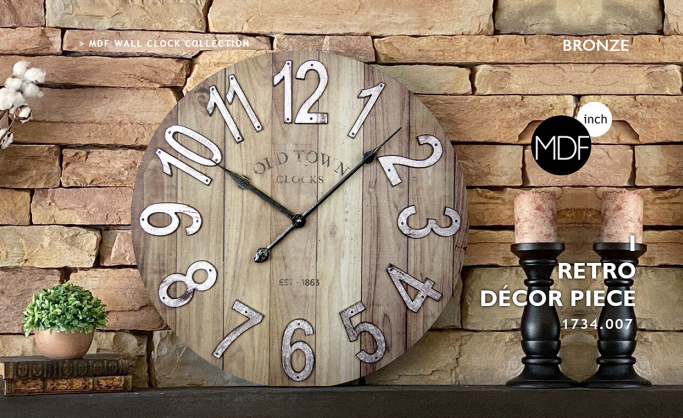
Mimicking iconic shiplap walls, these use vertical wooden slats, light woods (pine, whitewashed oak), clean lines, and bold block numerals. Farmhouse Living’s Shiplap Series (whitewashed pine/natural oak, silent movement) pairs perfectly with shiplap and reclaimed furniture.
3. Reclaimed Barn Wood Clocks
The gold standard for authenticity, crafted from 100-year-old reclaimed oak with nail holes and weathered edges. Miller & Co.’s Barnwood Classic (large round face, hand-painted numerals) adds instant character to any farmhouse space.
4. Modern Farmhouse Mixed-Material Clocks
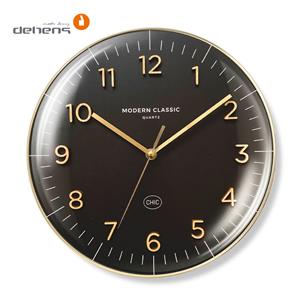
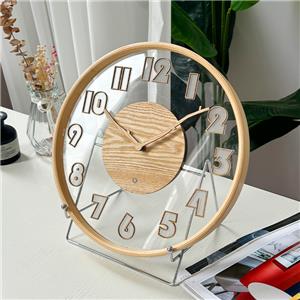
Blending rustic and contemporary, these combine solid wood with iron/brass accents, geometric shapes (squares, hexagons), and minimalist faces. H&M Home’s Modern Rustic Clock (whitewashed oak, black iron hands, brass frame) suits homes merging farmhouse with mid-century/scandinavian design.
Real Home Transformations
Sarah Johnson, Vermont (American Farmhouse)
“We renovated our 1850s farmhouse and chose Miller & Co.’s Barnwood Classic for the living room. The reclaimed oak matches our barn wood coffee table and shiplap walls, and the silent movement is perfect for open-concept living. Guests always comment—it feels like it’s been here forever.”
Marco and Elena Rossi, Tuscany (European Farmhouse Villa)
“We updated our villa with Tuscan elements and chose La Maison Rustique’s Provence Walnut Clock. The dark wood complements our stone fireplace and beams, and the silent movement is a bonus (our bedroom is adjacent). It captures Tuscan country living perfectly.”
Emma Thompson, Yorkshire (English Farmhouse Cottage)
“In my tiny 17th-century cottage, Farmhouse Living’s Shiplap Clock is ideal—compact, large numerals, and silent. It hangs above my kitchen sink, tying together wooden cabinets and vintage dishware. Solid wood means it’s durable and timeless.”
Market Outlook: Why Demand Will Grow
1. Sustained Farmhouse Popularity
Houzz predicts farmhouse style will remain top through 2027, driving demand for core elements like solid wood clocks.
Quiet clocks are essential for home offices and open spaces, where noise travels easily.
4. Investment-Worthy Decor
Homeowners invest in timeless, durable pieces—solid wood clocks age gracefully and retain value.
Customization options (wood type, finish, numerals) are widely available.
Conclusion: More Than a Clock—A Symbol of Farmhouse Warmth
In European and American farmhouse homes, solid wood + silent wall clocks are symbols of warmth, authenticity, and sustainability. With natural materials, handcrafted details, and quiet functionality, they’ve earned their place as essential decor, tying rooms together and fostering calm.
Whether decorating a historic villa, modern farmhouse, or cozy cottage, these clocks are timeless additions that enhance spaces for years. As Bennett puts it: “Farmhouse style is a home that feels like a hug—solid wood silent clocks deliver that warmth, character, and nostalgia, making every room more welcoming.”
In 2025 and beyond, these clocks will remain at farmhouse design’s forefront, proving the best decor blends beauty, function, and heart.