

What the Canton Fair Taught Us About Working with Overseas Buyers
The Canton Fair is a busy place. Buyers move from one stand to another, carrying catalogues, taking notes, and trying to remember which products caught their attention earlier in the day. A short visit can easily turn into a much longer conversation when the right question comes up.
At our stand, that question was often not simply, “What is the price?” Visitors wanted to know whether a product would suit their market, how it could be packed, whether the same quality could be maintained in a larger order, and how communication would work after they returned home. These are practical questions, but they say a lot about how buyers choose a supplier.
During the fair, we introduced our products and spoke with visitors from different markets. We discussed applications, purchasing plans, product details, packaging, customization, and delivery. We also listened to the parts of the conversation that are easy to miss in a short online inquiry. A buyer may ask about one item first, then explain that the item is intended for a wider product line. Another may begin with a standard requirement but later mention a packaging or labeling need.
That is one reason we value meeting customers in person. It gives both sides more room to explain what they actually need.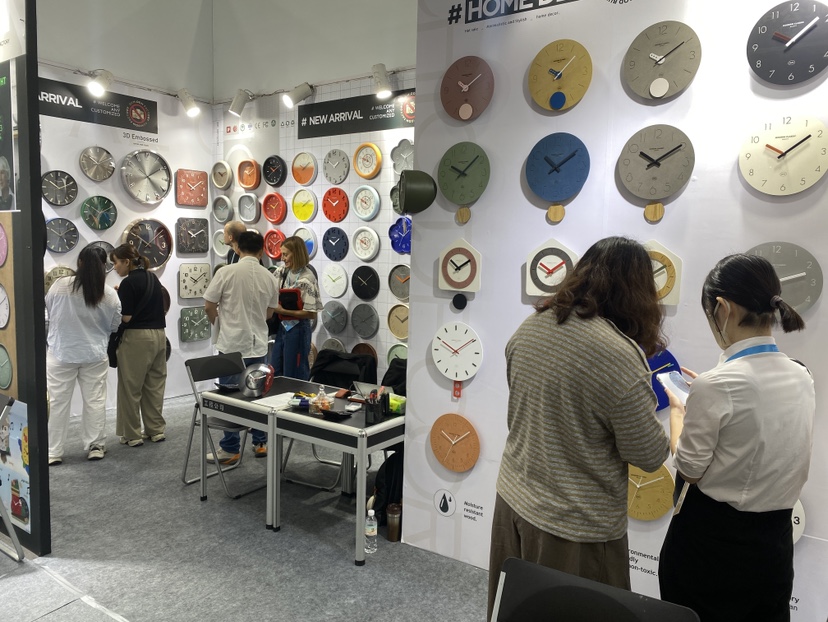
Not Every Buyer Is Looking for the Same Thing
Some visitors came to the fair to explore. They were comparing product categories and trying to understand what might work in their markets. They did not always have a complete purchasing plan yet, and that was perfectly normal. At this stage, clear product information is often more useful than a quick quotation.
Other visitors had a more specific request. They wanted to discuss specifications, quantities, samples, packaging, or delivery arrangements. They were already thinking about the next step and needed to know whether a supplier could respond efficiently.
There were also buyers looking for a relationship rather than a single shipment. They wanted to know if the supplier could support repeat orders, discuss changes, and keep communication steady when a project developed over time.
The priorities were different from one conversation to the next. A distributor might pay close attention to product selection and presentation. A project buyer might focus on supporting information, quantity planning, and delivery. A brand owner might be thinking about labels, packaging, product combinations, and how everything will look in a particular market.
We do not think one presentation can answer all of these questions. It is more useful to understand the customer’s purpose first and then discuss the product from that angle. A standard option may be right for one buyer. Another may need changes to packaging, accessories, or the way several products are combined.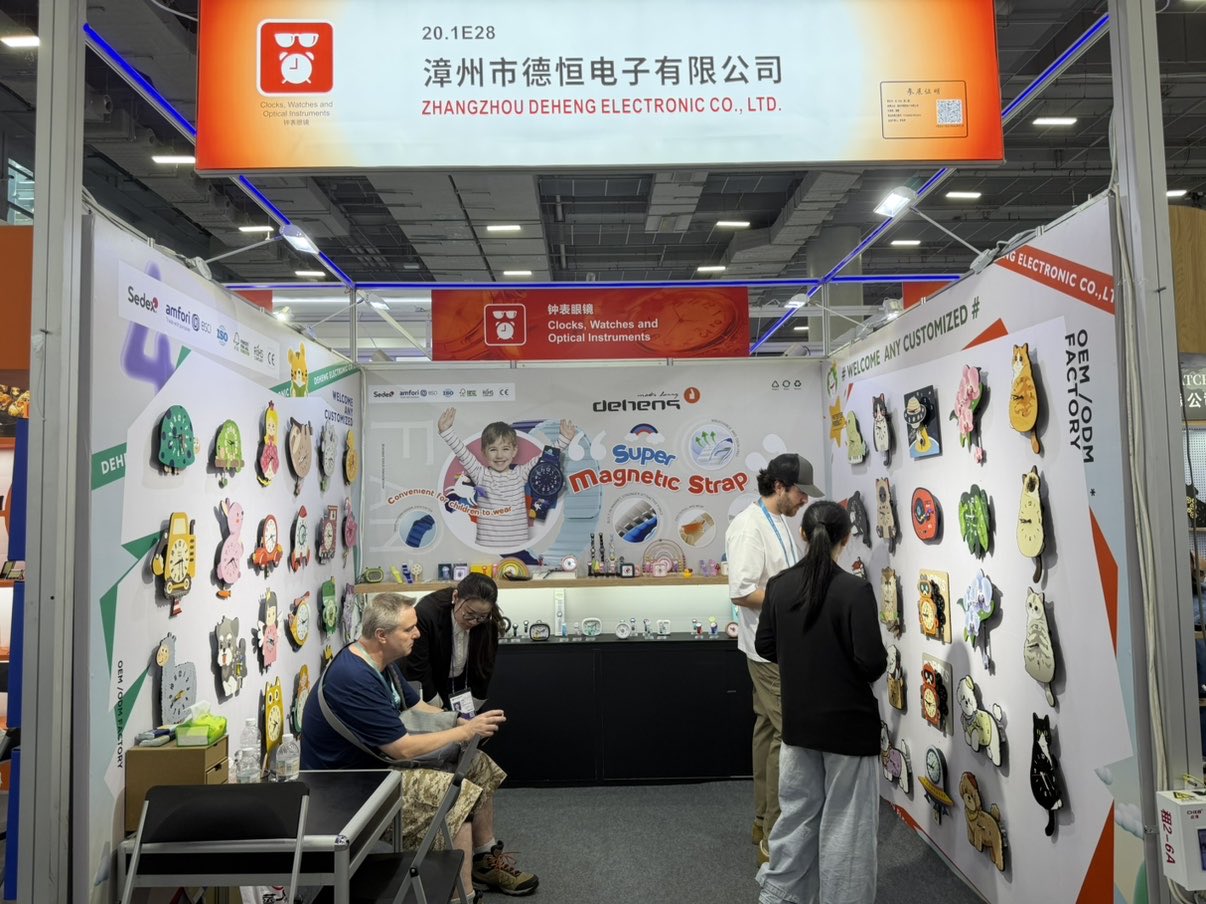
A Sample Is Only the Beginning
A sample gives a buyer something real to inspect. It can answer questions about appearance, structure, and details, but it cannot show everything about a larger order. Once a buyer is considering mass production, other questions naturally follow.
Can the same result be repeated? How are important details checked? What happens if a change is requested after the sample has been reviewed? Who confirms the packaging, labels, accessories, and delivery requirements? These questions are not signs of hesitation. They are part of a careful purchasing process.
At the Canton Fair, we talked about the steps between an initial inquiry and a finished shipment. First, the requirements need to be understood clearly. Then the product details can be confirmed, a sample can be prepared, and feedback can be collected. If changes are needed, they should be discussed before production begins. After that come production planning, inspection, packaging, and shipment coordination.
The steps may sound straightforward, but small misunderstandings can create problems later. A product specification, a label, an accessory, or a delivery expectation can be easy to overlook when several people are involved. This is why we prefer to discuss important details early and keep the information organized.
For us, manufacturing is not separate from communication. A well-made product still needs accurate instructions. A clear instruction is only useful when both sides understand it in the same way.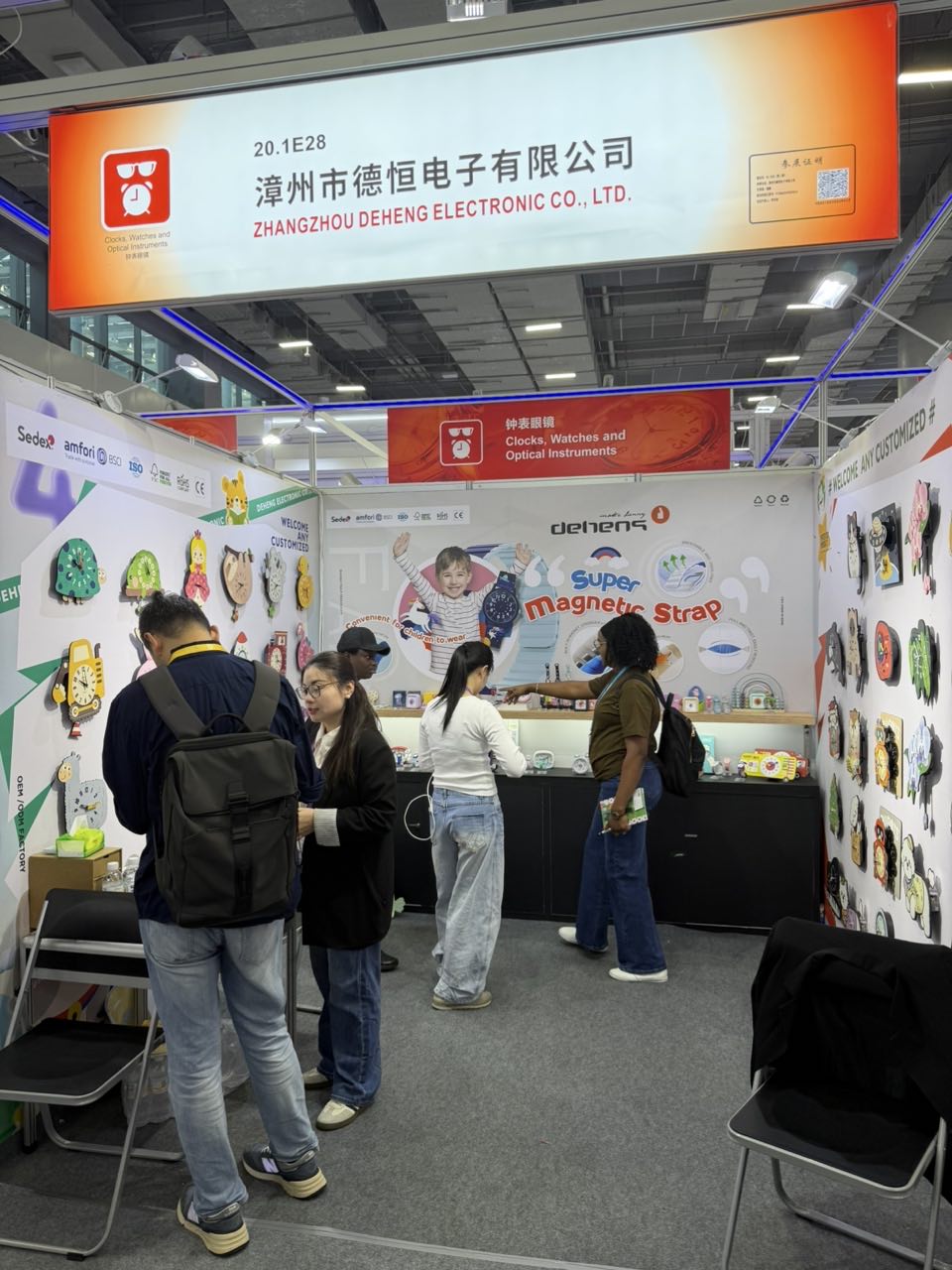
Customization Should Solve a Real Problem
Customization was another subject that came up regularly at the fair. It does not always mean changing the whole product. Sometimes it means adjusting the packaging, adding a label, arranging a product combination, or preparing supporting accessories for a particular sales channel.
The first question should be the reason for the change. A buyer may want a more consistent look across a product line. Another may need packaging that is easier to use in local distribution. A brand owner may be concerned with shelf presentation. A project customer may need several items to work together in one solution.
Once the purpose is clear, the discussion becomes easier. We can consider which changes are practical, what information is needed for a sample, and whether the request may affect production or delivery. It is better to have this conversation at the beginning than to discover an important detail after the order is already moving forward.
Customization also requires patience from both sides. Not every idea can be confirmed immediately, and some details need to be checked before a clear answer is given. Honest communication at this stage is more helpful than making a promise that cannot be supported later.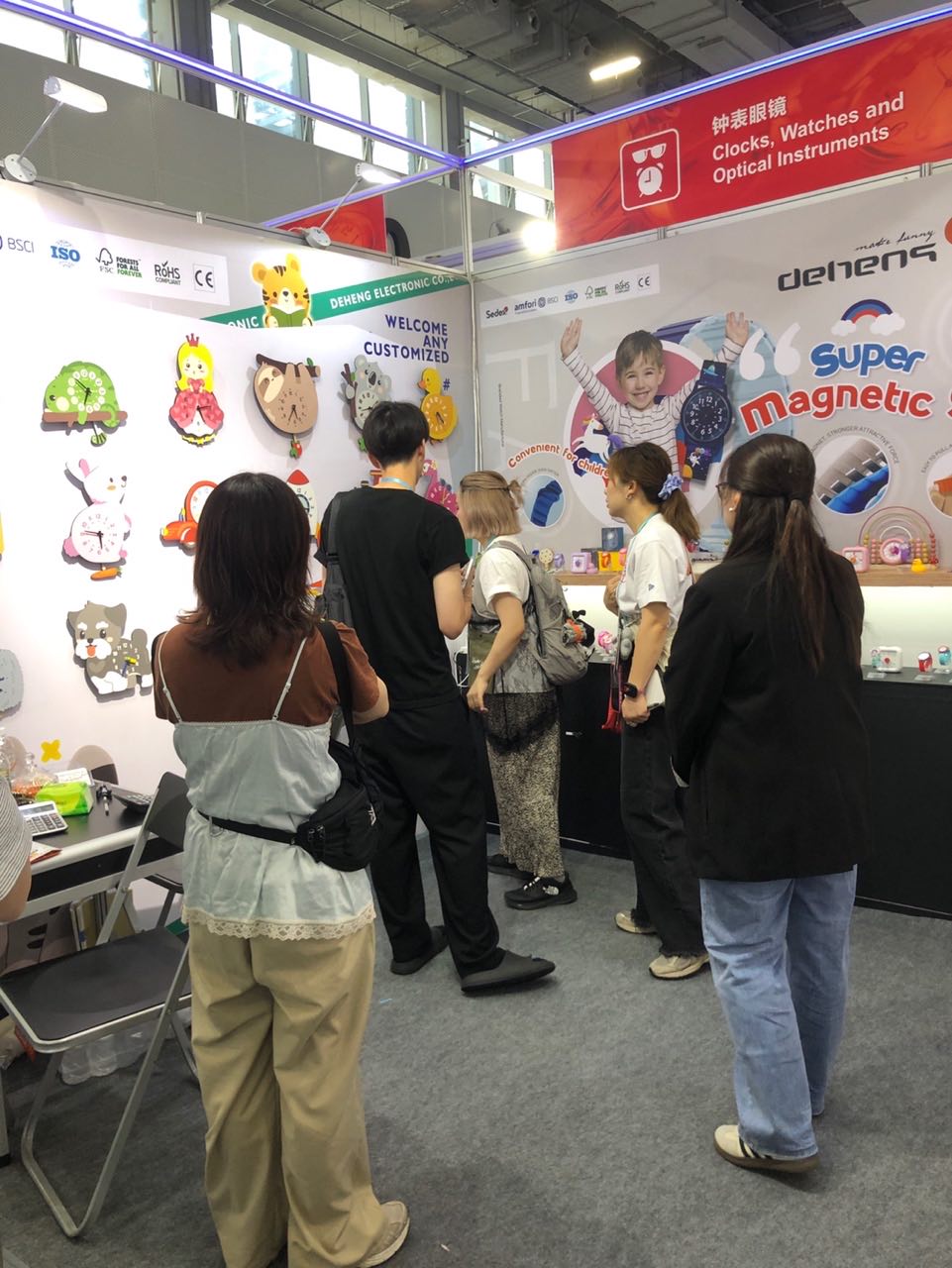
What an In-Person Meeting Adds
Online sourcing saves time and makes it possible to compare suppliers in different countries. We use online communication every day as well. Still, a face-to-face meeting gives buyers and suppliers information that is difficult to get from a short message.
A buyer can look at a product directly, ask a follow-up question, and notice details that may not appear in a photograph. The supplier also learns which points matter most. A question about a product may really be a question about delivery or after-sales support. A request for a standard item may turn out to be part of a wider project.
Continuing the Conversation
The exhibition ends, but the conversation does not have to. We are organizing the requirements discussed at the stand and following up according to each customer’s situation. Some visitors may need product information; others may be ready to review samples, quantities, packaging, or delivery arrangements.
We do not expect every customer to decide immediately. Our responsibility is to keep information accurate, answer questions directly, and make the next step clear. A business relationship is built gradually: a first conversation, a follow-up message, a sample review, and then, perhaps, the first order.
